
Bioinformatics Course in Kerala
In the era where biological data is exploding, the demand for skilled professionals who can interpret and leverage this information is higher than ever. Kerala, a burgeoning hub for biotechnology and IT, offers a dynamic environment for aspiring bioinformaticians to develop their expertise.
- 100% Placement Assistance
- Comprehensive Curriculum
- Hand-on Practical Training
- Online or Offline Sessions
Dive in to discover the curriculum highlights, practical training sessions, career prospects, and leading institutes that make Kerala an ideal destination.
In Collaboration With :

Live Online Classes starting on 8th, 15th, 22nd & 30th.
Book Your Free Demo Class Today!

International Aaccreditation Forum

International Aaccreditation Orginization

National Skill Development Corporation

Life Sciences Sector Skill Development Council
Why do Bioinformatics Course in Kerala?
A bioinformatics course in Kerala offers a compelling blend of academic rigor and practical exposure, making it an attractive choice for aspiring bioinformaticians. The state hosts reputable institution Clini Launch, which provides comprehensive PG Diploma in Bioinformatics. This course is designed to equip you with essential skills in programming (Python, R), data analysis, and the use of specialized bioinformatics tools, preparing them for the expanding job market in genomics, drug discovery, personalized medicine, and healthcare IT.
Globally Accredited Courses
100% Placement Assistance
Highly Qualified Trainers
Job Oriented Programs
Our Courses

PG Diploma In Bioinformatics
Pursue the opportunities in healthcare pharmaceuticals, biotechnology, academia and research institutions. Become a Bioinformatics nerd starting today.

Advanced Diploma In Bioinformatics
Gain in-depth skills in bioinformatics. Bridge the gap between biological data and computational analysis. Become a bioinformatics professional. Start now.
Career Paths after Bioinformatics Course in Kerala
A bioinformatics course in Kerala opens a diverse range of career paths, leveraging the city’s strong presence in both the biotechnology and IT sectors. Graduates can find opportunities in various industries, applying their unique blend of biological and computational skills.
Bioinformatics Analyst/Scientist :
This is a core role where you analyse vast biological datasets (genomic, proteomic, transcriptomic, etc.) to identify patterns, interpret results, and derive insights for research, drug discovery, and diagnostics. Many biotech and pharmaceutical companies in Kerala, as well as research institutions like CCMB and CDFD, actively recruit for these positions.
Computational Biologist:
A Certified Professional Coder (CPC) is a healthcare professional who has passed a certification exam that shows their skills with medical coding training demonstrating their knowledge in CPC Exam.
Bioinformatics Software Developer/Engineer:
With strong programming skills (Python, R, Perl, Java), you can work on designing, developing, and maintaining software tools, databases, and pipelines specifically tailored for bioinformatics analysis. Kerala‘s robust IT sector provides ample opportunities in this area, including health tech startups.
Genomics Analyst:
Specializing in genomic data interpretation, these professionals provide insights for personalized medicine, disease diagnostics, and drug development, a rapidly growing area in Kerala‘s healthcare landscape.
Biostatistician:
Applying statistical methods to biological data, biostatisticians are crucial in designing experiments, analysing clinical trial data, and interpreting results in pharmaceutical companies, CROs (Contract Research Organizations), and research institutions.
Research Associate/Scientist (Bioinformatics):
In academic and industrial research settings, you’ll contribute to cutting-edge research projects, utilizing bioinformatics tools to answer fundamental biological questions and develop new applications.
Database Programmer/Curator:
This role involves developing, maintaining, and curating biological databases, ensuring data integrity and accessibility for researchers and industry professionals.
Pharmacogenomics Scientist:
With a focus on how genetics influences drug response, these scientists work in pharmaceutical companies to develop more effective and personalized drugs.
Medical Coder:
While not strictly a core bioinformatics role, graduates with a strong understanding of biological concepts and data can also find opportunities in medical coding, translating patient information into standardized codes for healthcare and insurance purposes. This is an entry-level option that can provide a foothold in the broader healthcare data landscape.
Bioinformatics Trainer/Educator:
As the field grows, there’s a demand for professionals who can train others in bioinformatics tools, techniques, and concepts in academic institutions or specialized training centres.
Eligibility Criteria for PG Diploma in Bioinformatics
The eligibility criteria for a Post Graduate Diploma in Bioinformatics generally require a bachelor’s degree in a science or technology field. This commonly includes graduates from Life Sciences (Biotechnology, Microbiology, Biochemistry, Genetics, Botany, Zoology, etc.), Medical/Paramedical fields (MBBS, BDS, B.Pharm), Agricultural Sciences (B.Sc. Ag.), and Computational/Engineering backgrounds (Computer Science, IT, Biomedical Engineering, or even Physics, Chemistry, Mathematics, Statistics).
Designations :

Want to become a Bioinformatics Analyst or Research Scientist?
Best Bioinformatics Course Online Curriculum
Bioinformatics Course
Module 1: Introduction to Bioinformatics
Explore the fundamentals of bioinformatics, including its history, applications, and role in modern biological research.
Module 2: Biological Databases and Data Retrieval
Learn how to navigate and utilize various biological databases to retrieve relevant genetic, genomic, and proteomic information for analysis.
Module 3: Sequence Analysis and Alignment Techniques
Gain proficiency in analysing biological sequences (DNA, RNA, and protein) and employing alignment algorithms to compare and identify similarities and differences.
Module 4: Structural Bioinformatics and Protein Modelling
Study the principles of protein structure prediction, molecular modelling techniques, and molecular dynamics simulations to understand protein function and interactions. Genomics and Transcriptomics Analysis
Module 5: Genomics and Transcriptomics Analysis
Dive into the analysis of genomic and transcriptomic data, including genome assembly, gene expression profiling, and variant calling using bioinformatics tools and software.
Module 6: Metagenomics and Microbiome Analysis
Explore metagenomics approaches for studying microbial communities and analysing microbiome data to understand their composition, diversity, and functional potential.
Module 7: Next-Generation Sequencing (NGS) Technologies
Discover the principles and applications of next generation sequencing technologies, including Illumina, Ion Torrent, and PacBio platforms, and learn data analysis techniques for NGS data.
Module 8: Phylogenetic and Evolutionary Analysis
Delve into phylogenetic methods for inferring evolutionary relationships among species and analysing evolutionary patterns using sequence alignment and tree-building algorithms.
Module 9: Systems Biology and Network Analysis
Explore systems biology concepts and network analysis techniques to model and analyse biological systems at the molecular level, including gene regulatory networks and metabolic pathways.
Module 10: Machine Learning in Bioinformatics
Understand the application of machine learning algorithms and data mining techniques in bioinformatics research for predictive modelling, pattern recognition, and biomarker discovery.
FREE Career Counselling
We are happy to help you 24/7
A Student’s Journey


Industry Ready Training
Accredited Courses
Get Placed
Industry Ready Training
Equip yourself with skills and knowledge required to be successful in the healthcare-pharma or healthcare-IT industry. Enhance your communication and personality.
Accredited Courses
Earn credentials through online or in-person programs validating the enhancement of your skills and expertise in the healthcare IT and pharma sectors.
Get Placed
Gain access to volunteer, internship, and placement opportunities and apply real-world applications in healthcare settings like hospitals, CROs, and pharma companies.
Level up your Career with a Bioinformatics Course in Kerala
Real people. Real results.
Master in-demand skills and knowledge
Propel your clinical research career with CliniLaunch

Unlock your potential Mentorship advantage
Personalized industry experts with career advice and support for your choices.

Navigate your medical career with confidence
Unlock your potential with upskilling in what you truly enjoy

Why Clini Launch?
Industry Driven Curriculum
- Adapt to industry standards
- Gain in-depth knowledge
- Up to date your skill sets
Experienced Instructors
- Interact with seasoned professionals
- Insightful healthcare practices
- Dedicated industry experts
Hands-on Learning
- Live interactive session
- Integrated case studies
- Practical step guidance
Industry Recognized Accreditations
- International Accreditation Forum (IAF)
- National Skill Development Council (NSDC)
Career Support Services
- Access to Career support group
- Resume Building Workshops
- Placement Mentorship Program
FAQs for Bioinformatics Course in Kerala
The typical duration for an PG Diploma in Bioinformatics courses is 1 year, including 2 months of internship. Bioinformatics course in Kerala is for 1 year and fees can vary significantly. For the fee structure, you need to consult with your career counsellor at Clini Launch.
There are prominent institutions offering a Bioinformatics course in Kerala including the universities. CLini Launch Research institute is the best for your bioinformatics career in comparison to universities and other institutions due to its capability of making 100% placement assistance to the students.
A Bioinformatics Course in Kerala benefits from the growing life sciences and IT sectors in the state. Students may find local research connections through collaborations with universities, research institutions like the Rajiv Gandhi Centre for Biotechnology (RGCB) in Thiruvananthapuram, and emerging biotech startups. Industry connections might involve opportunities with health-tech companies or IT firms focusing on healthcare data.
A Bioinformatics Course in Kerala emphasizes practical and project work, crucial for skill development. This includes hands-on training with bioinformatics tools, statistical analysis using programming languages like Python and R, working with biological databases (e.g., NCBI, PDB), and undertaking mini-projects or capstone projects involving real biological datasets for genomics, proteomics, or drug discovery applications.
Bioinformatics programs are available at various levels:
- Pg Diploma in Bioinformatics: It is for 12 months including 2 months of internship in a reputable organization.
- Advanced Diploma in Bioinformatics: It is for 6 months including 100% placement assistance for your career expansion.
Bioinformatics programs inherently integrate concepts from biology, computer science, and statistics by teaching students:
- Biological fundamentals: Molecular biology, genetics, biochemistry, and genomics.
- Computational skills: Programming (Python, R, Perl), algorithm design, data structures, and database management.
- Statistical methods: Biostatistics, statistical modeling, and data interpretation for biological data analysis. This interdisciplinary approach is the hallmark of bioinformatics.
After completing Bioinformatics programs, diverse career paths open up, including:
- Bioinformatics Analyst/Scientist: Analyzing biological data for research or industry.
- Computational Biologist: Developing computational models and algorithms for biological problems.
- Genomics Data Scientist: Specializing in genomic data analysis.
- Bioinformatics Software Developer: Creating tools and software for bioinformatics applications.
- Clinical Bioinformatician: Applying bioinformatics in healthcare for personalized medicine.
- Research Assistant/Associate in academic or industrial R&D.
Yes, many postgraduate Bioinformatics programs in India require entrance examinations for admission. These can include national-level exams like GATE (Graduate Aptitude Test in Engineering) for MTech programs, or university-specific entrance tests such as CUET-PG. Some institutions might also consider merit-based admissions based on undergraduate academic performance.
For entry-level bioinformatics careers (0-2 years’ experience) in India, the typical salary range can be approximately ₹25,000 to ₹50,000 per month. This translates to an average annual salary of ₹3 to ₹6 Lakhs, depending on the role, company (academia, pharma/biotech, IT), and specific skill set.
For bioinformatics careers in the current job market, recruiters highly prioritize:
- Programming proficiency (especially Python and R).
- Experience with bioinformatics tools (e.g., BLAST, ClustalW) and biological databases.
- Strong data analysis and statistical skills.
- Understanding genomics and proteomics concepts.
- Problem-solving abilities and critical thinking.
- Experience with Next-Generation Sequencing (NGS) data analysis is also increasingly sought after.
Bioinformatics careers are central to advancements in personalized medicine and drug discovery. Bioinformaticians analyze patient genomic data to identify genetic variations influencing drug response, develop computational models to predict drug efficacy and toxicity, identify novel drug targets, and design new therapeutic molecules, thereby accelerating the development of tailored treatments and new medications.
The growth potential for bioinformatics careers in India is highly promising for the next 5-10 years. With the explosion of biological data, increasing investment in genomics, personalized medicine, and drug discovery, and the integration of AI/ML in healthcare, the demand for skilled bioinformaticians is projected to grow significantly. India’s strong IT and biotech sectors are well-positioned to leverage this growth.
A Bioinformatics certification significantly adds value to a life science graduate’s profile in India by providing them with crucial computational and data analysis skills that are often lacking in traditional biology degrees. It bridges the gap between biological knowledge and practical application, making them more competitive for specialized roles in research, pharma, and IT companies dealing with biological data.
White there is not only one single global certification exam like in some IT fields, but professional recognition in bioinformatics also primarily comes from:
- Specialized training program certificates from well-known institutes.
- More often, the recognition comes from the depth of portfolio projects and publications rather than a single certification exam, though some domain-specific tools or software may offer their own certifications.
The typical duration of a Bioinformatics certification program can vary. Short-term online certificate courses can take anywhere from a few weeks to 6 months if self-paced. More comprehensive professional certificate programs, especially those leading to a specific skillset or a project-based outcome, might extend from 6 to 12 months.
Yes, a Bioinformatics certification is an excellent pathway for transitioning from a traditional biology role to a more computational one. It provides the necessary skills in programming, data analysis, and using bioinformatics tools, allowing individuals to leverage their domain expertise in biology with newfound computational capabilities, making them ideal candidates for interdisciplinary roles.
The main objective of a PG Diploma in Bioinformatics is to provide focused, applied training in bioinformatics tools and techniques for immediate industry relevance. It differs from an M.Sc. in that it is typically shorter (1 year), often more practical/application- oriented, and may include a comprehensive research thesis component, although it offers strong job opportunities.
After completing a PG diploma in bioinformatics, typical job opportunities include:
- Bioinformatics Analyst
- Bioinformatics Support Specialist
- Data Curator for biological databases
- Junior Computational Biologist
- Research Assistant in bioinformatics labs
- Bioinformatics Trainer
In a PG diploma in bioinformatics, the expectations for research projects or dissertation work vary. Many programs will include a compulsory minor project or a capstone project where students apply their learned skills to analyze a specific biological dataset or solve a computational problem. This practical project work is crucial for building a portfolio.
A PG diploma in bioinformatics can certainly be recognized for higher education. While it might not always directly translate to advanced standing in an M.Sc. program, it demonstrates a strong foundational knowledge and practical skills that are highly valued. It can significantly improve chances of admission to M.Sc. or even Ph.D. programs, especially if combined with a strong academic record and relevant experience.
To identify a reputable Institute of Bioinformatics in India, especially concerning faculty and infrastructure, look for:
- Highly qualified faculty with Ph.D.’s and research experience in bioinformatics.
- Industry experience of instructors.
- Well-equipped computer labs with licensed bioinformatics software and high-performance computing access.
- Access to relevant databases and tools.
- Strong library resources with access to scientific journals.
- Reputation for research publications and collaborations.
Yes, a good Institute of Bioinformatics typically offers specialized workshops or seminars beyond the core curriculum. These can cover emerging topics like machine learning in genomics, single-cell RNA sequencing analysis, or specific software tools. They often feature guest speakers from industry or leading research institutions, enriching the learning experience.
A prominent Institute of Bioinformatics often maintains strong industry collaborations or partnerships with:
- Pharmaceutical companies for drug discovery and development projects.
- Biotechnology firms for R&D and data analysis.
- Healthcare IT companies for clinical genomics applications.
- Research institutions for collaborative projects and student internships. These partnerships often translate into placement opportunities and real-world project exposure for students.
At a leading Institute of Bioinformatics, the general student-to-faculty ratio can vary but typically aims for a manageable size, often around 10-20 students per faculty member. This is important because it allows for:
- Personalized attention and mentorship.
- More effective doubt clarification in complex computational topics.
- Closer supervision of research projects.
- Enhanced interactive learning and discussion.
For effective participation in a bioinformatics class online, the typical technical setup required includes:
- A reliable computer (laptop/desktop) with a modern operating system.
- Stable, high-speed internet connection.
- Headphones with a microphone for live sessions.
- Access to a web browser and potentially specific software or virtual machine setups provided by the course.
- Sufficient RAM (8GB+ recommended) and storage for handling datasets.
Bioinformatics class online programs address the need for hands-on coding and software usage through:
- Integrated development environments (IDEs) accessed via web browsers.
- Virtual machines (VMs) or cloud-based platforms (e.g., Google Colab, JupyterHub) for practicing code.
- Downloadable software packages with installation guides.
- Step-by-step video tutorials demonstrating software usage and coding.
- Practical assignments that require students to write and execute code on real datasets.
Yes, common platforms used to deliver bioinformatics class online content and interactions include:
- Learning Management Systems (LMS): Clini Launch.
- Virtual meeting tools: Zoom, Google Meet, Microsoft Teams for live sessions.
- Code-sharing platforms: GitHub, GitLab.
- Cloud computing platforms: AWS, Google Cloud, Azure for advanced analyses.
- Interactive coding environments: Jupyter Notebooks, RStudio Cloud.
Online bioinformatics classes manage large biological datasets for practical exercises and projects by:
- Providing pre-processed, smaller subsets of data for initial learning.
- Utilizing cloud-based storage and computing resources where students can access and analyze large datasets without local download.
- Guiding students on how to access and download data from public repositories (e.g., NCBI SRA, PDB) efficiently.
- Teaching techniques for data compression and streaming for large files.
The key distinctions between short-term bioinformatics courses and full-fledged degree programs are:
- Duration: Courses are typically weeks to months, while degrees are years.
- Depth: Courses focus on specific tools/techniques; degrees provide comprehensive theoretical and practical knowledge.
- Credential: Courses offer certificates; degrees award diplomas (PG) or degrees (B.Sc., M.Sc., B.Tech, Ph.D.).
- Career impact: Courses are for upskilling/entry; degrees open for broader research/leadership roles.
Bioinformatics courses increasingly address the ethical considerations related to genetic data and privacy by including modules on:
- Bioethics and responsible data handling.
- HIPAA compliance (if applicable to US data).
- Data anonymization and de-identification techniques.
- Informed consent for genetic testing and data sharing.
- The societal implications of genetic research and personalized medicine.
Yes, there are specialized bioinformatics courses focusing on areas like pharmacogenomics (studying how genes affect a person’s response to drugs) or metagenomics (studying genetic material recovered directly from environmental samples). These advanced courses cater to specific industry demands and research interests, providing in-depth knowledge and hands-on experience in these niche fields.
Most bioinformatics courses assume at least a basic level of prior biological knowledge, typically equivalent to what’s covered in a 10+2 science curriculum or an undergraduate life science degree. While some introductory courses may include refresher on molecular biology, a foundational understanding of concepts like DNA, RNA, proteins, genes, and cell biology is highly beneficial.
An online bioinformatics certificate program typically includes projects designed to demonstrate practical skills such as:
- Sequence alignment and phylogenetic tree construction.
- Gene expression analysis from RNA-Seq data.
- Protein structure prediction and visualization.
- Variant calling and interpretation from genomic data.
- Developing short scripts (e.g., in Python/R) to automate bioinformatics tasks.
- Analyzing publicly available datasets from NCBI or other repositories.
The credibility and recognition of an online bioinformatics certificate by prospective employers are ensured by:
- The reputation of the issuing institution (e.g., a well-known university or a specialized bioinformatics training center).
- The comprehensiveness of the curriculum and skills acquired.
- The quality of practical projects is demonstrated in a portfolio.
- Positive reviews and testimonials from past students.
- Sometimes, an association with industry standards or professional bodies.
For many introductory online bioinformatics certificate programs, there are no strict prerequisites in terms of prior programming experience. These courses often start with the basics of Python or R. However, having some logical thinking skills and a willingness to learn coding is essential. More advanced certificates might assume basic familiarity with a programming language.
Post-completion support offered by providers of online bioinformatics certificates can include:
- Access to alumni networks for networking and job opportunities.
- Career guidance and resume review assistance.
- Access to course materials for a limited period after completion.
- Discounts on advanced courses or future specializations.
- Some platforms might offer a job board or connect students with hiring companies.
The typical duration of a bioinformatics certificate course in India generally ranges from 6 months to 12 months. Shorter programs might focus on specific tools or techniques, while longer ones offer a more comprehensive introduction to various aspects of bioinformatics, including foundational biology and programming.
Upon completing a bioinformatics certificate course, expected learning outcomes include:
- Proficiency in using common bioinformatics tools and databases.
- Ability to perform basic sequence and structural analysis.
- Understanding fundamental genomics and proteomics concepts.
- Basic programming skills (e.g., Python or R) for data manipulation.
- Capability to interpret and visualize biological data.
- Knowledge of ethical considerations in bioinformatics.
Yes, a bioinformatics certificate course often provides a pathway to internships or entry-level jobs. Many institutes offering these courses have placement assistance cells that connect students with relevant opportunities in biotech companies, pharmaceutical firms, research labs, or healthcare IT companies looking for candidates with foundational bioinformatics skills.
The instructor’s background and experience are highly important for a bioinformatics certificate course. Instructors with strong academic credentials (Ph.D. in bioinformatics or related fields) and significant industry or research experience can provide valuable real-world insights, guidance on best practices, and a deeper understanding of the practical applications of bioinformatics tools and concepts.
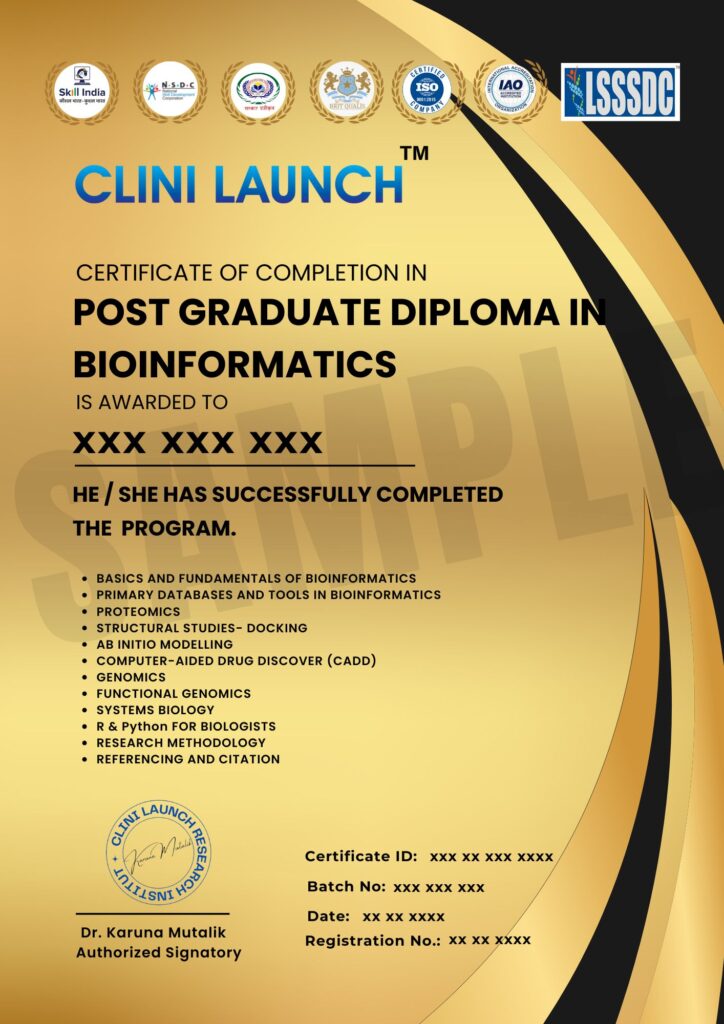
Clini Launch recently placed students
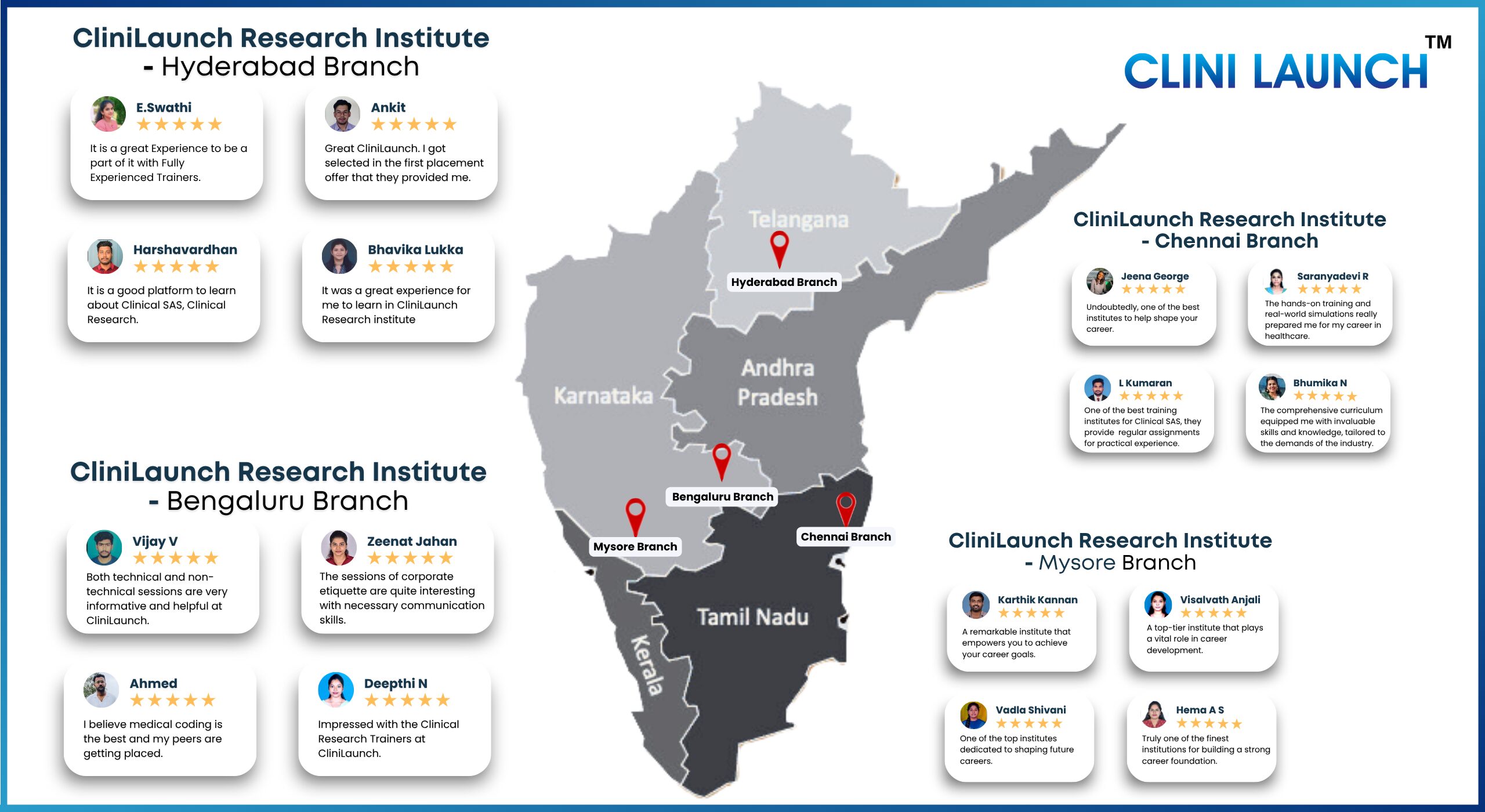
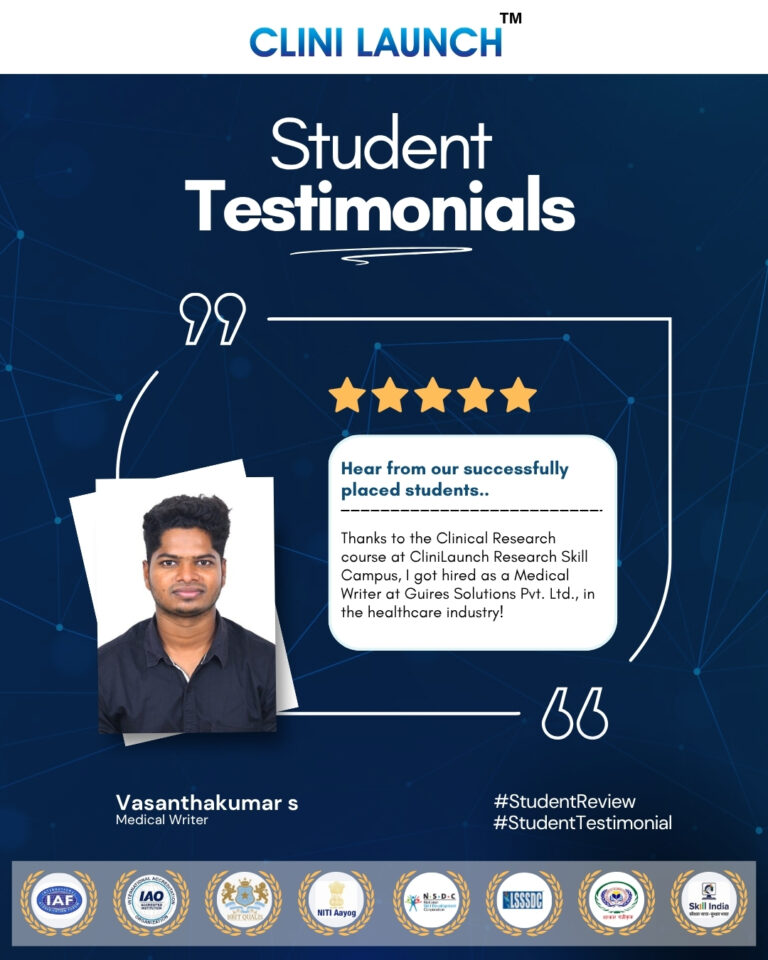
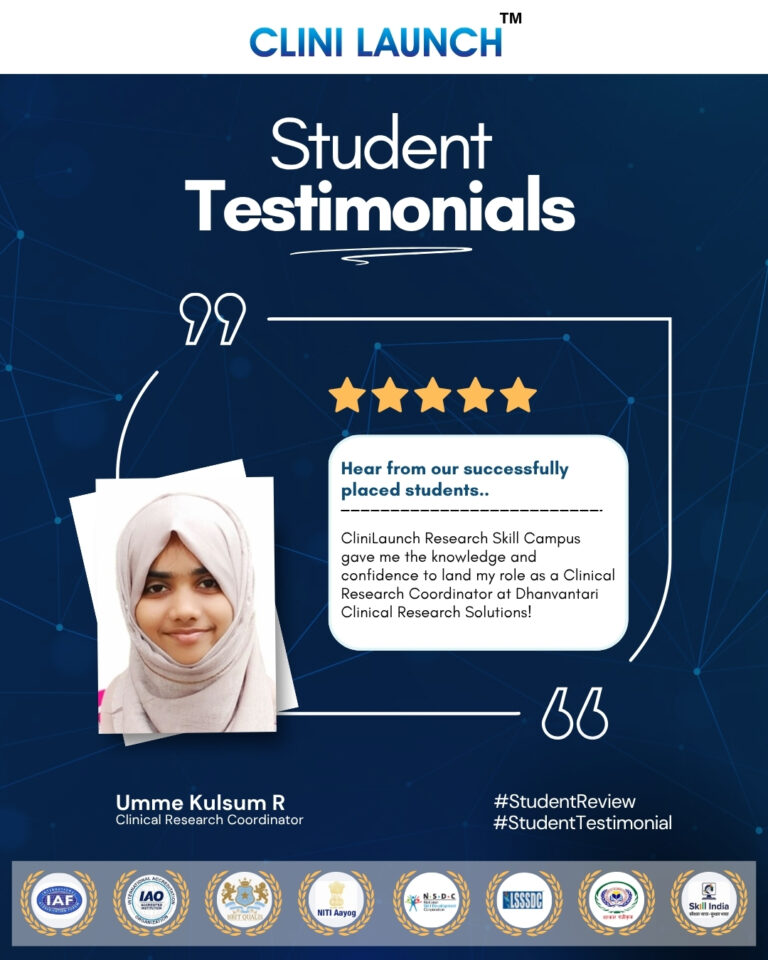
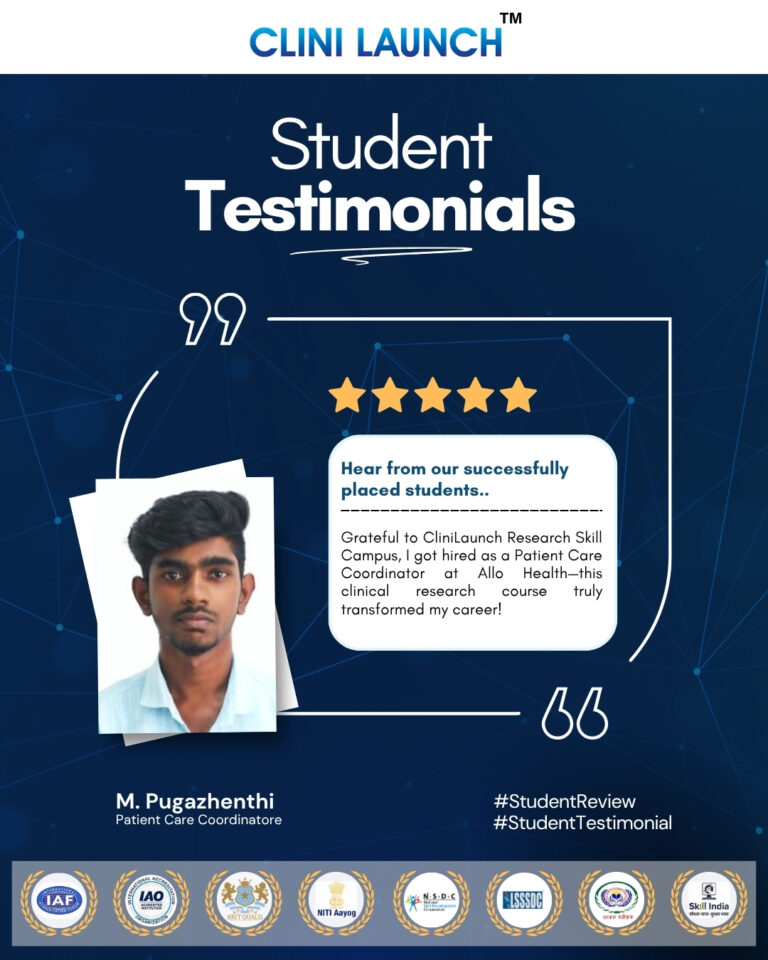

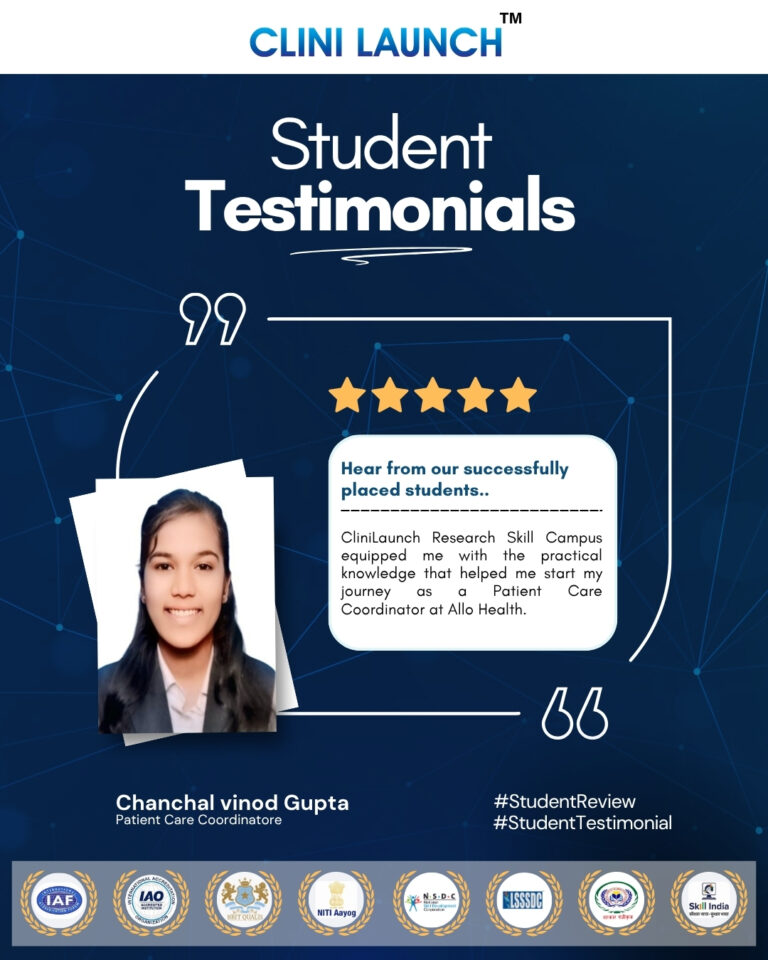
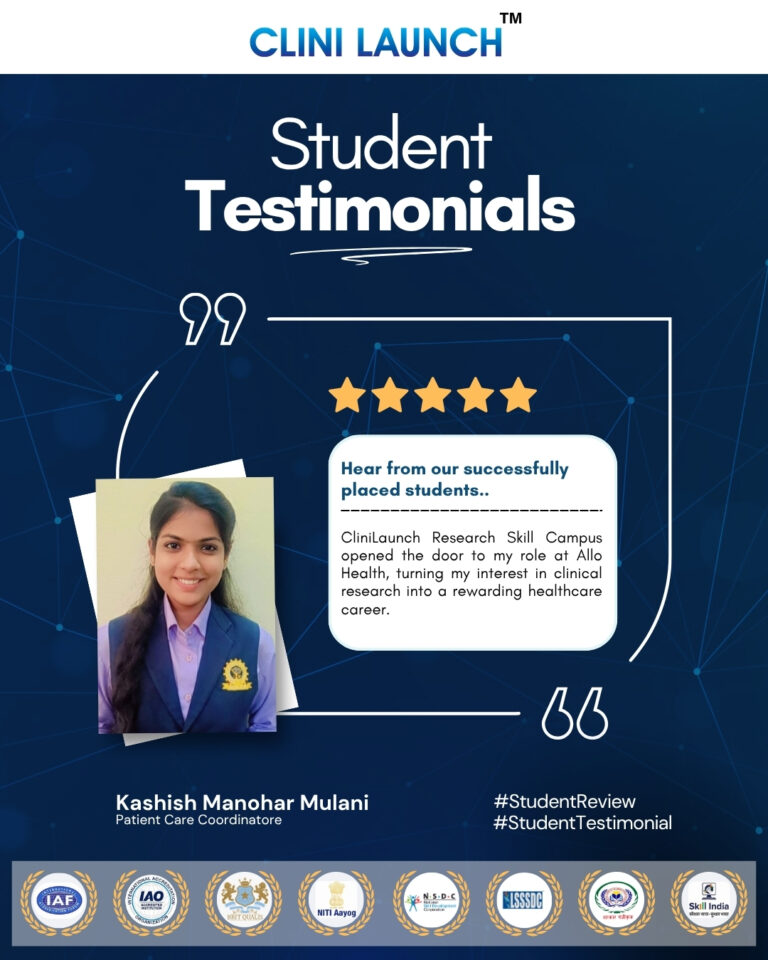
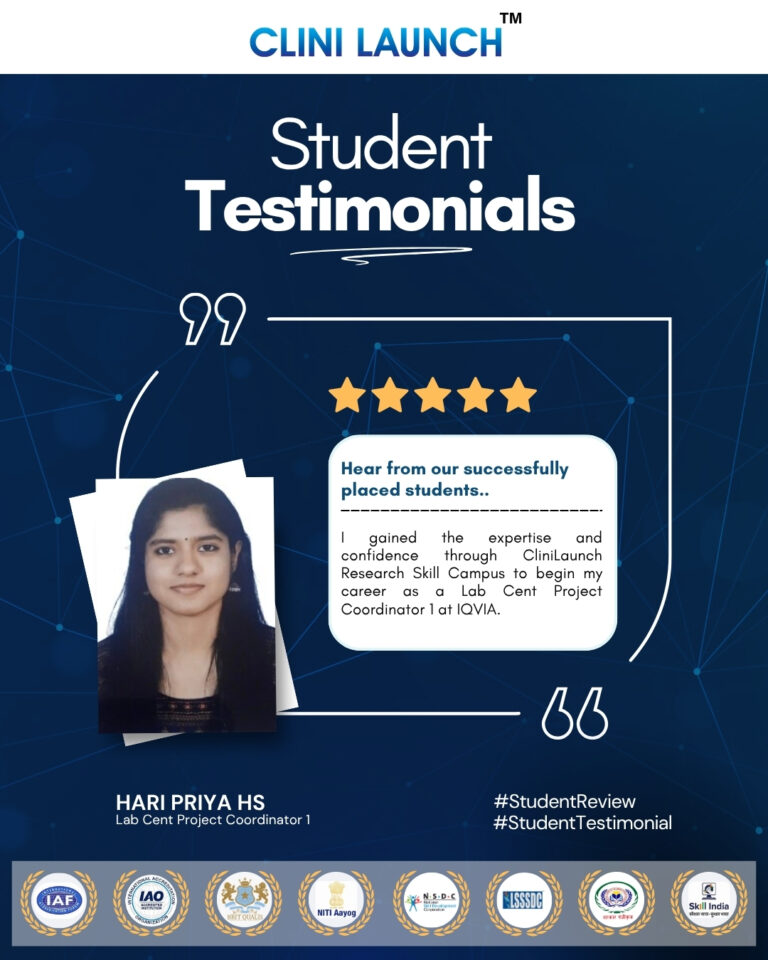
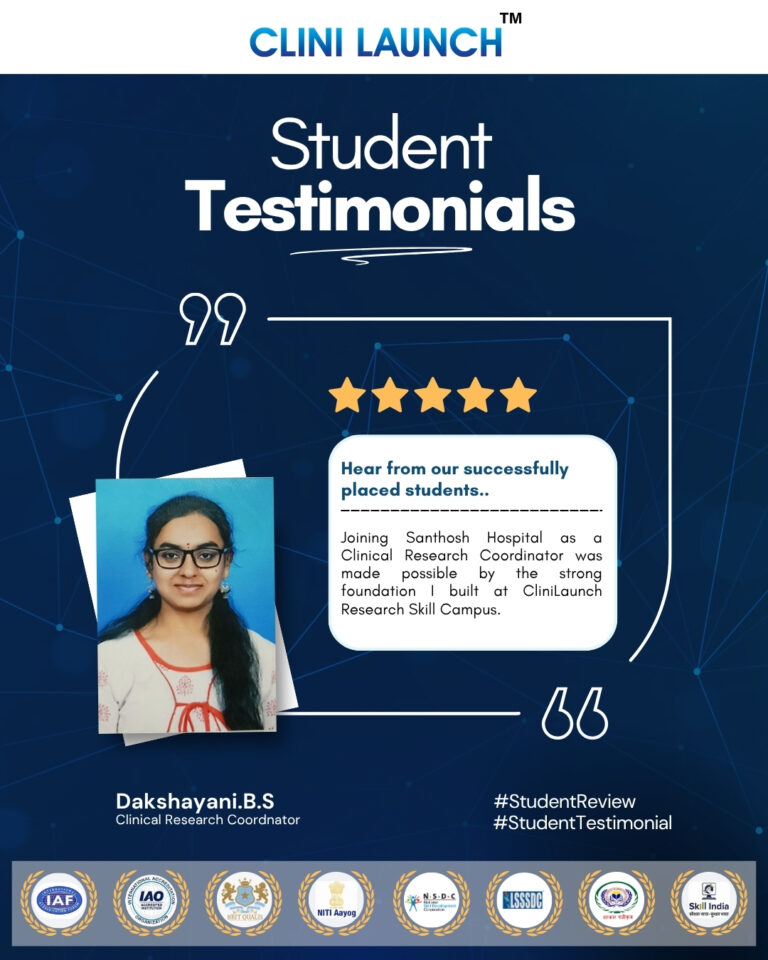
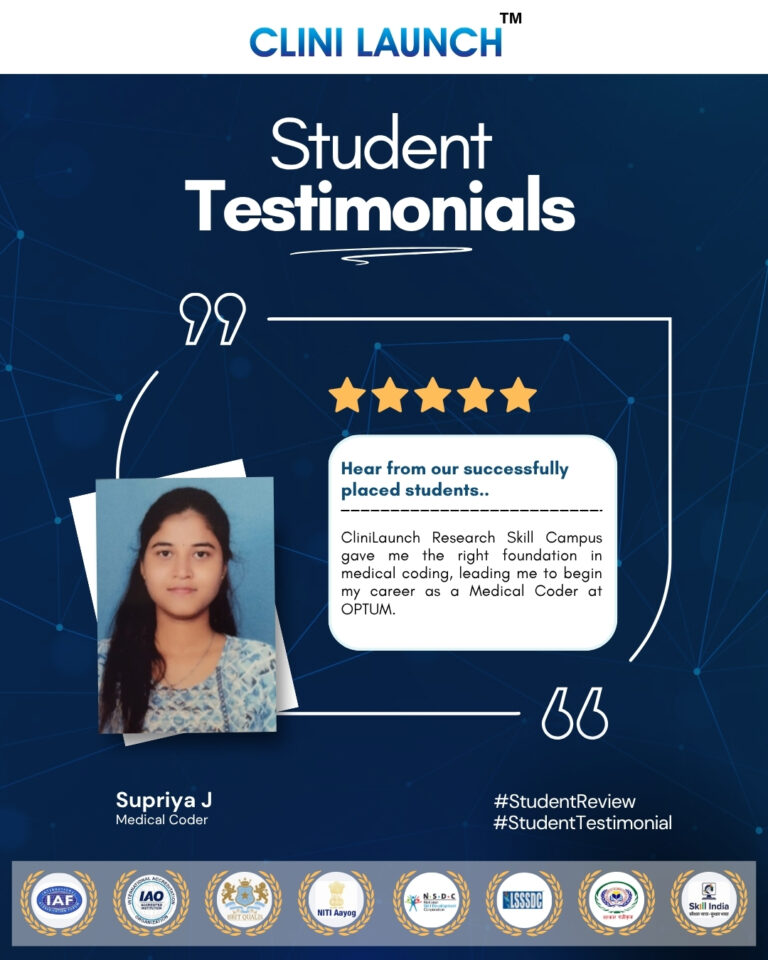
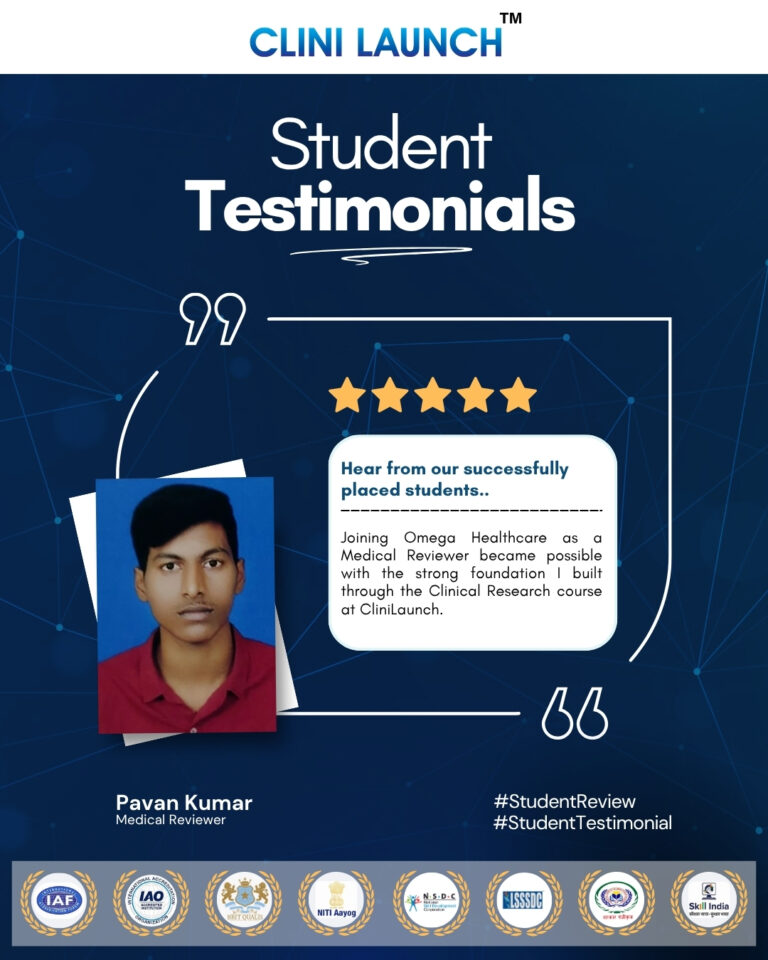
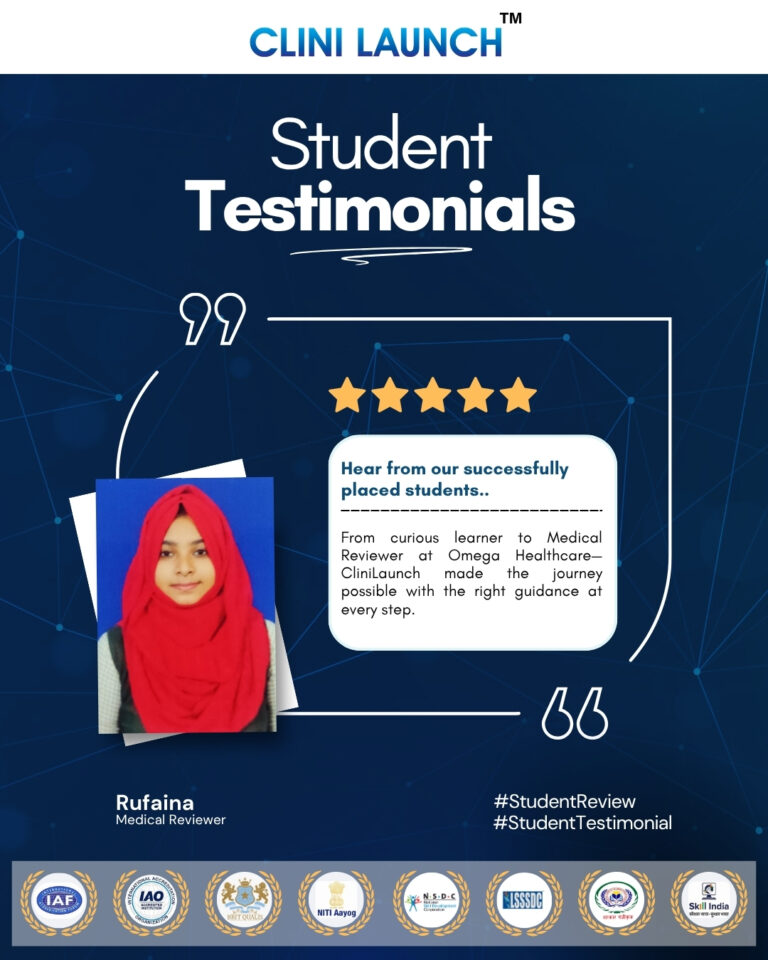
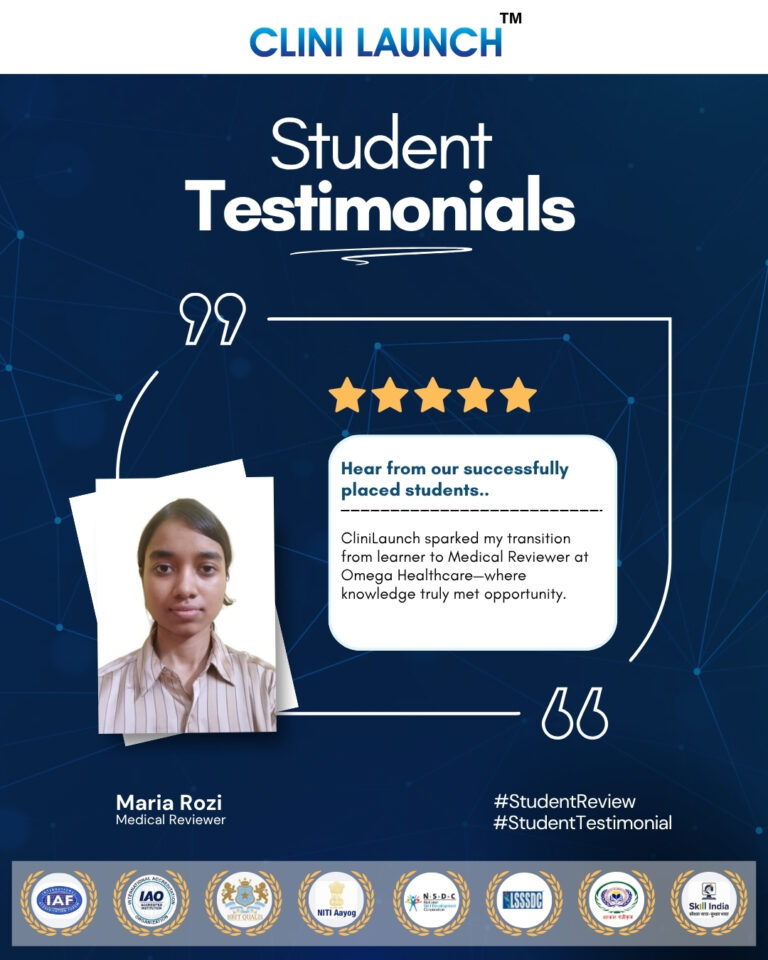
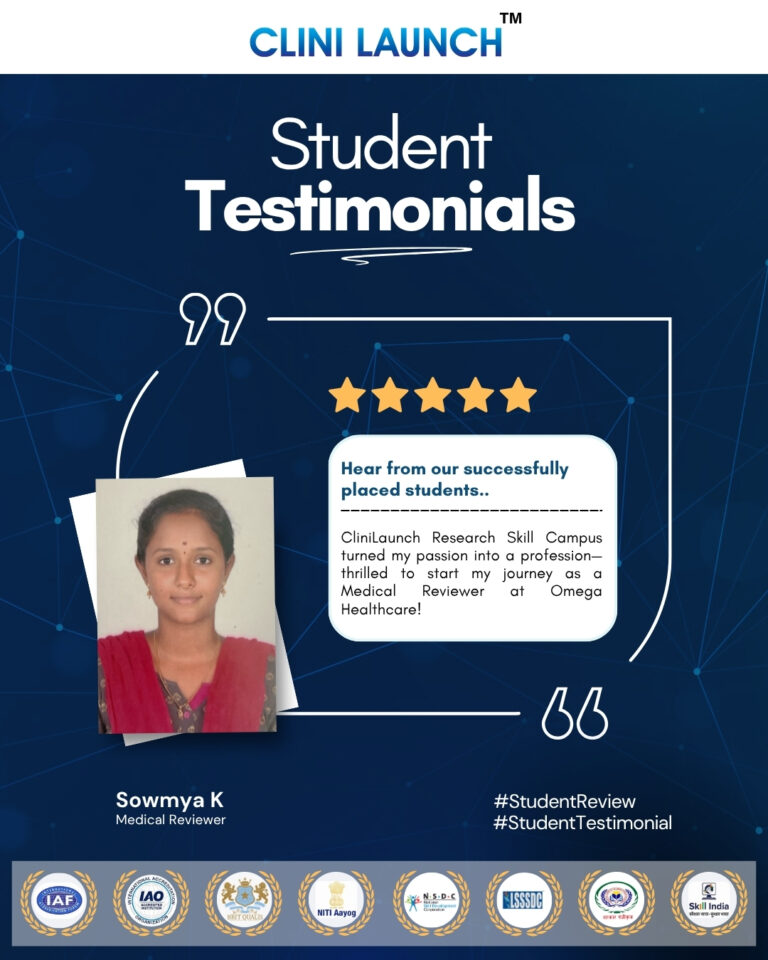
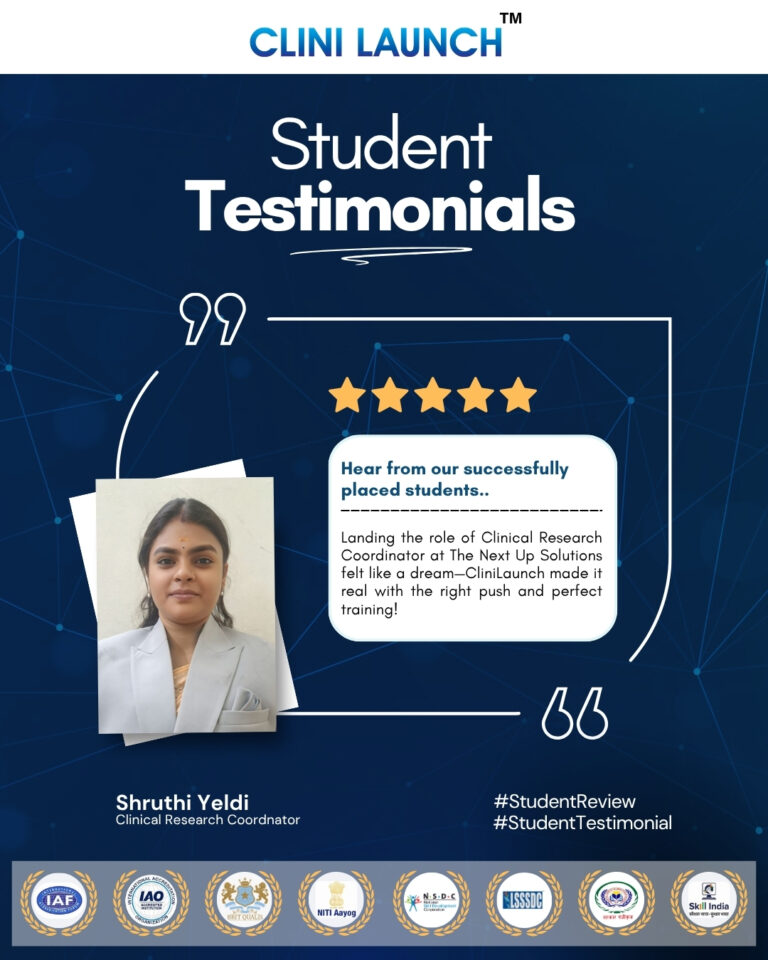

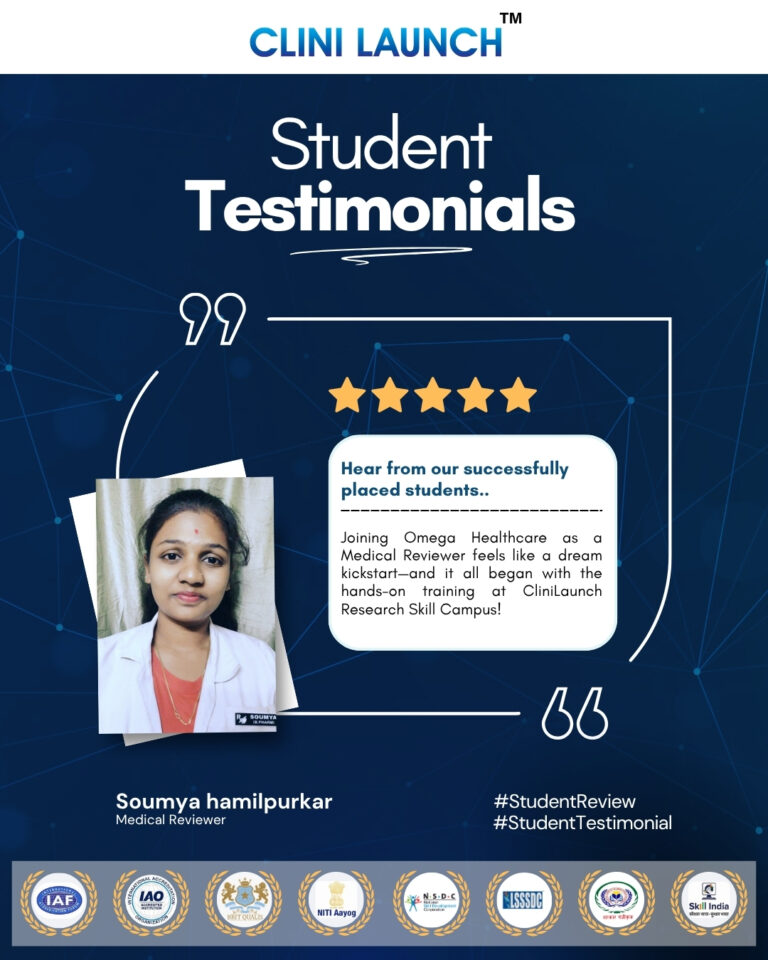
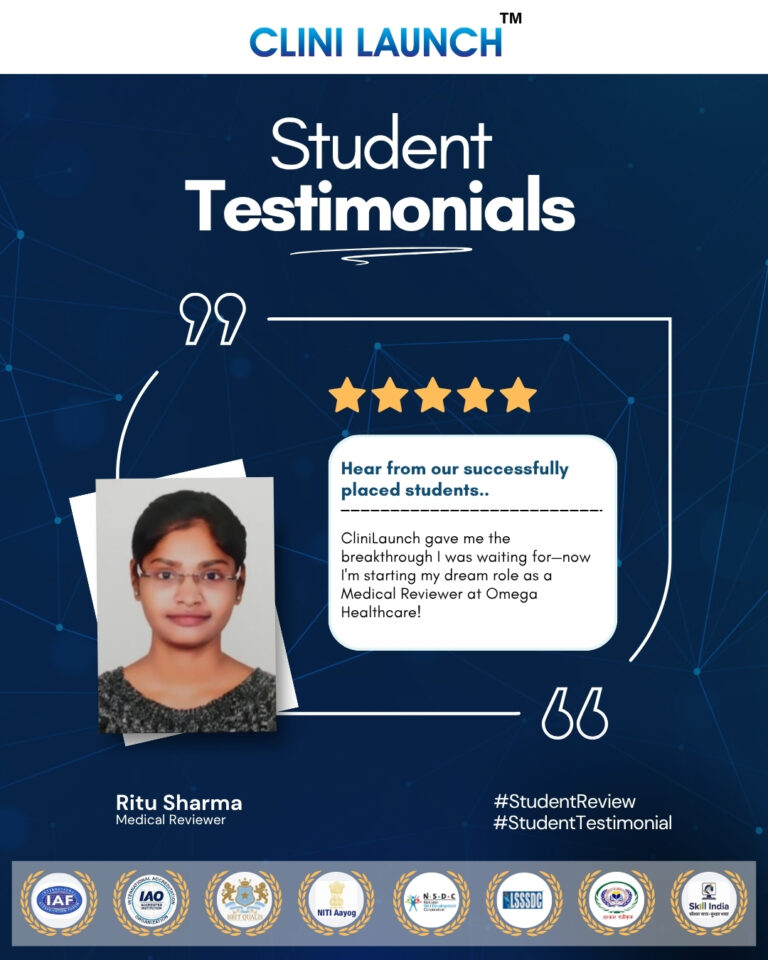
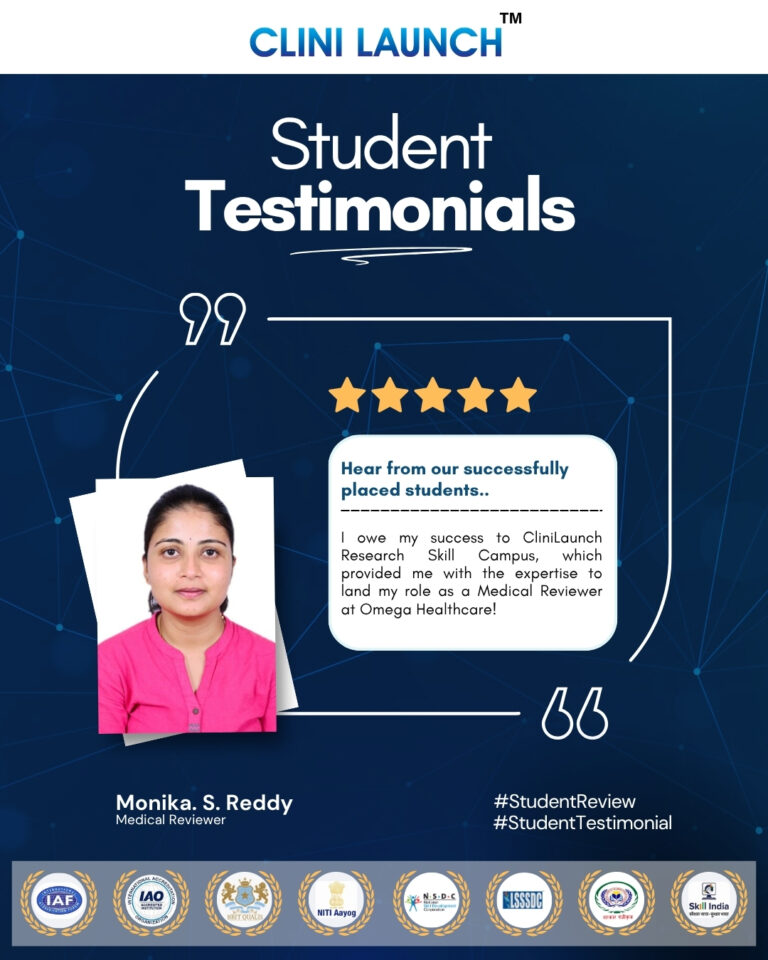
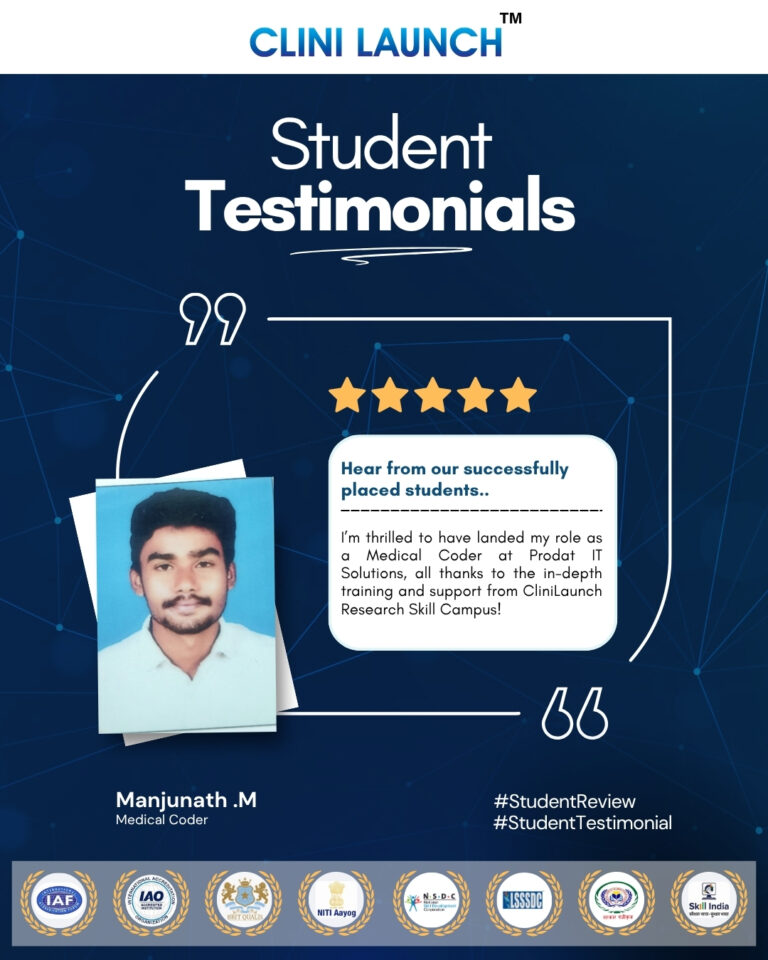
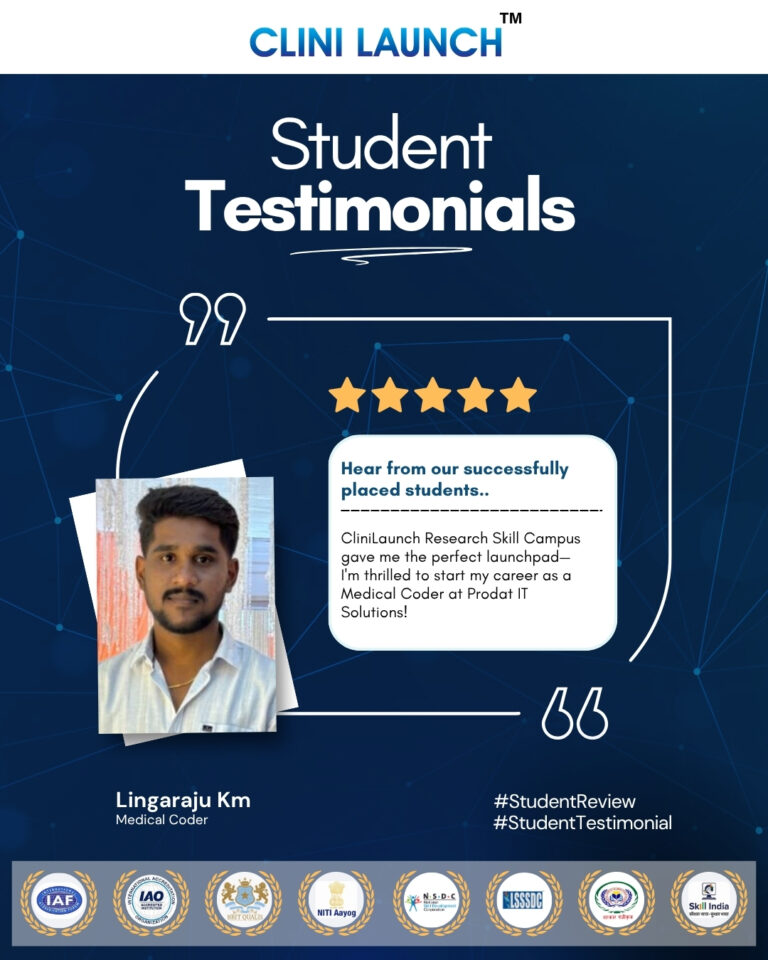
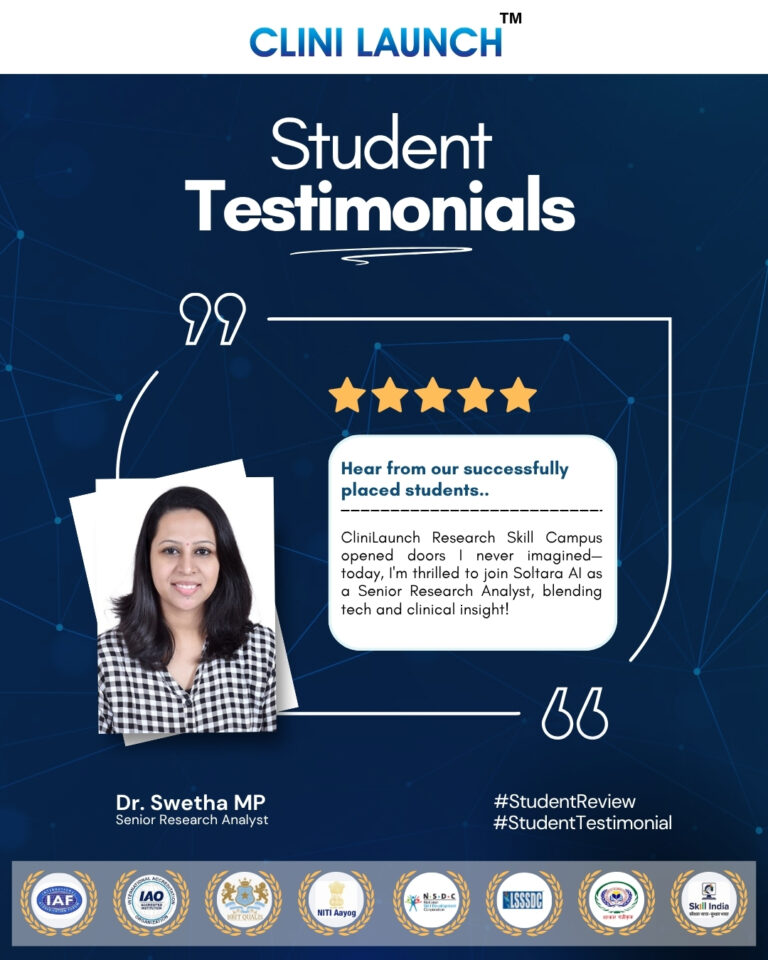
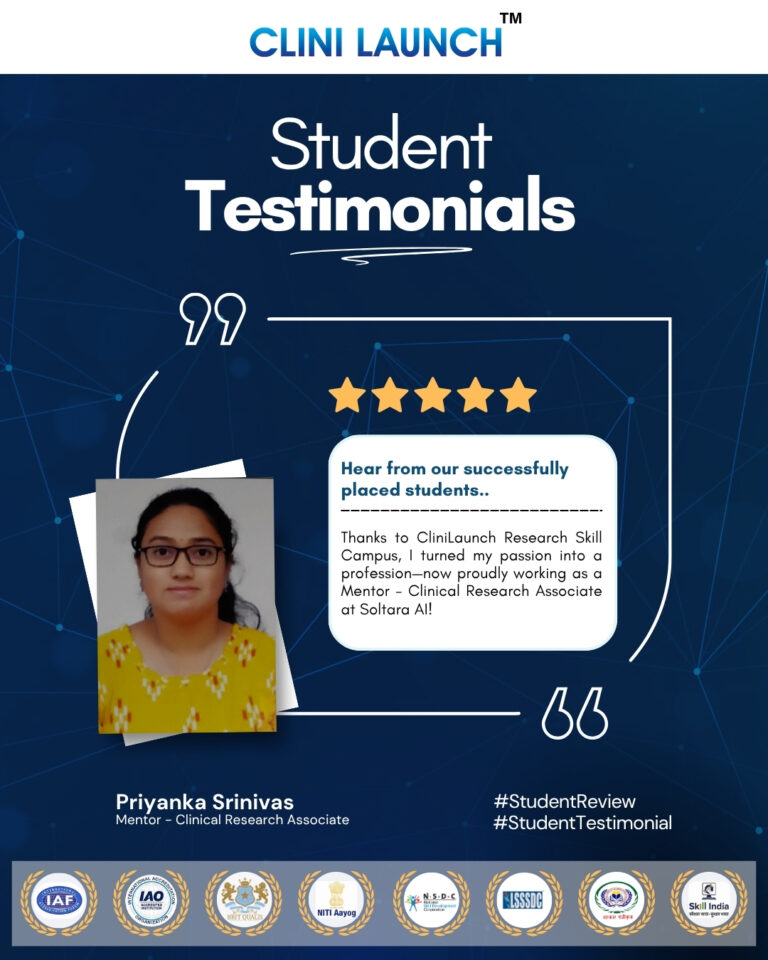


Testimonials
Upskilling does make a difference. Graduates speak out. Hear what our students and professionals are saying about their upskilling journey with Clini Launch.
Posted on